Tenants Organize to Force Owner to Negotiate

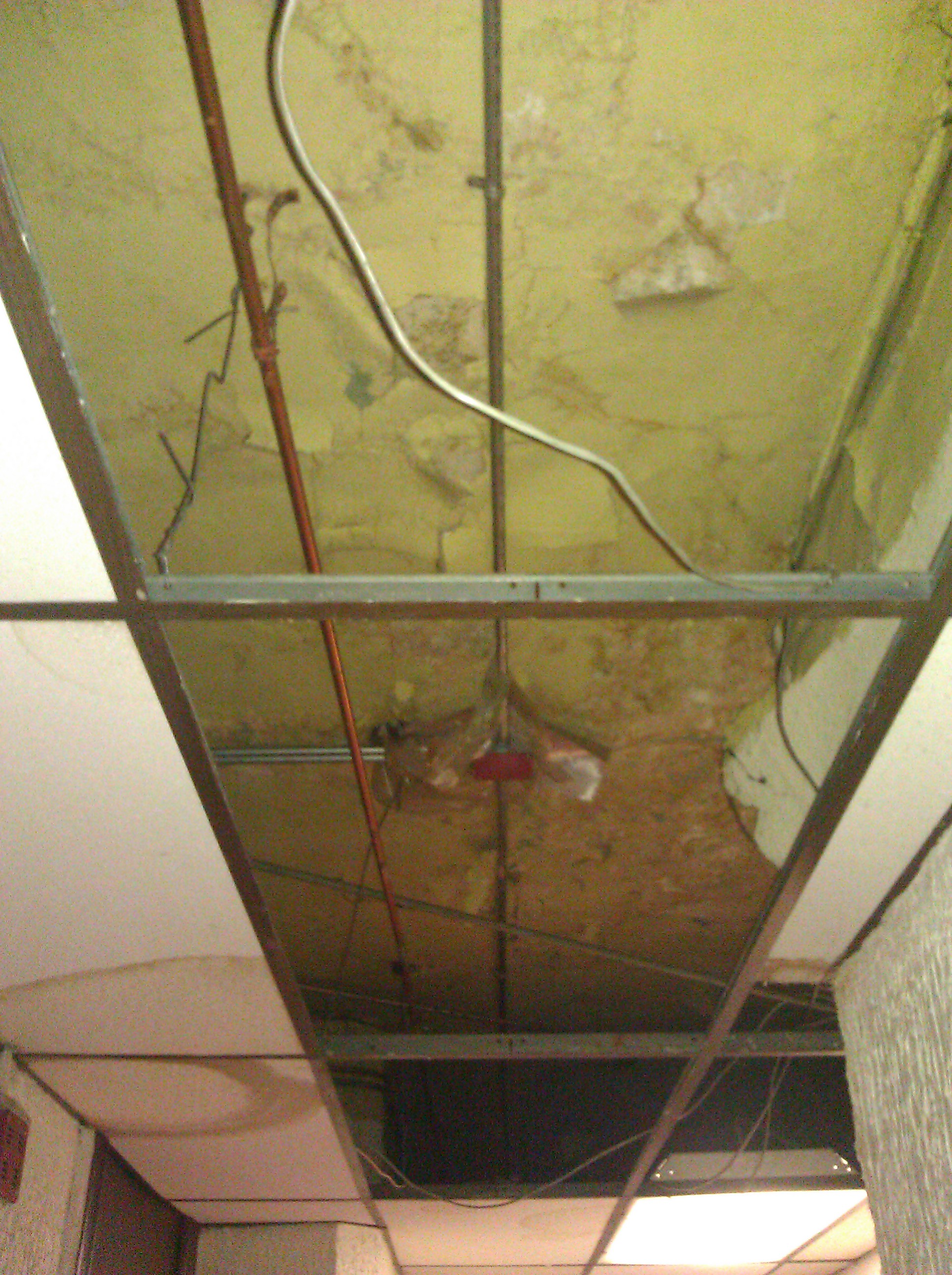
Single Room Occupancy hotels provide some of the poorest people in our communities with housing.  While this is hardly housing of choice, many residents of Chicago are very grateful the option exists.  At least this is the case with residents of the New Jackson Hotel, a downtown SRO that houses mostly low-income seniors and people with disabilities.  Recently, one of its residents contacted the MTO Hotline. He reported mice, mold, holes in walls and ceilings, and only sporadic access to heat.  Chief among his concerns was the fact that the owner has stopped accepting rent, which signaled to him that the building was about to be shut down.

MTO sent an organizer out to help the tenants form a tenants association.  MTO’s support empowered them to work together to take steps to save their housing.  First, they persuaded the owner to begin receiving rent again, which gave them some security around keeping a roof over their heads.  Hoping to build on that success, they sought to negotiate with him for better living conditions.  At first the landlord refused to negotiate.  Tenants contacted their Alderman and enlisted the support of Interfaith Housing Development Corporation, a non-profit developer of affordable housing.  Working with MTO, the Alderman’s office and Interfaith, the tenants succeeded in bringing their landlord to the table to negotiate around building repairs.

The tenants’ demands are simple: A clear plan for the future of the building, repair of all conditions issues or appropriate reduction of rent, and the cessation of illegal evictions and lockouts.

After several months of contacting 311, working with lawyers, and focusing on the Alderman, the owner was forced to negotiate. He was stopped lockouts and evictions, and offered all tenants a relocation deal equal to 2,000 per tenant.


Rally at City Hall Against Proposed Demolition of 1,800 CHA Units

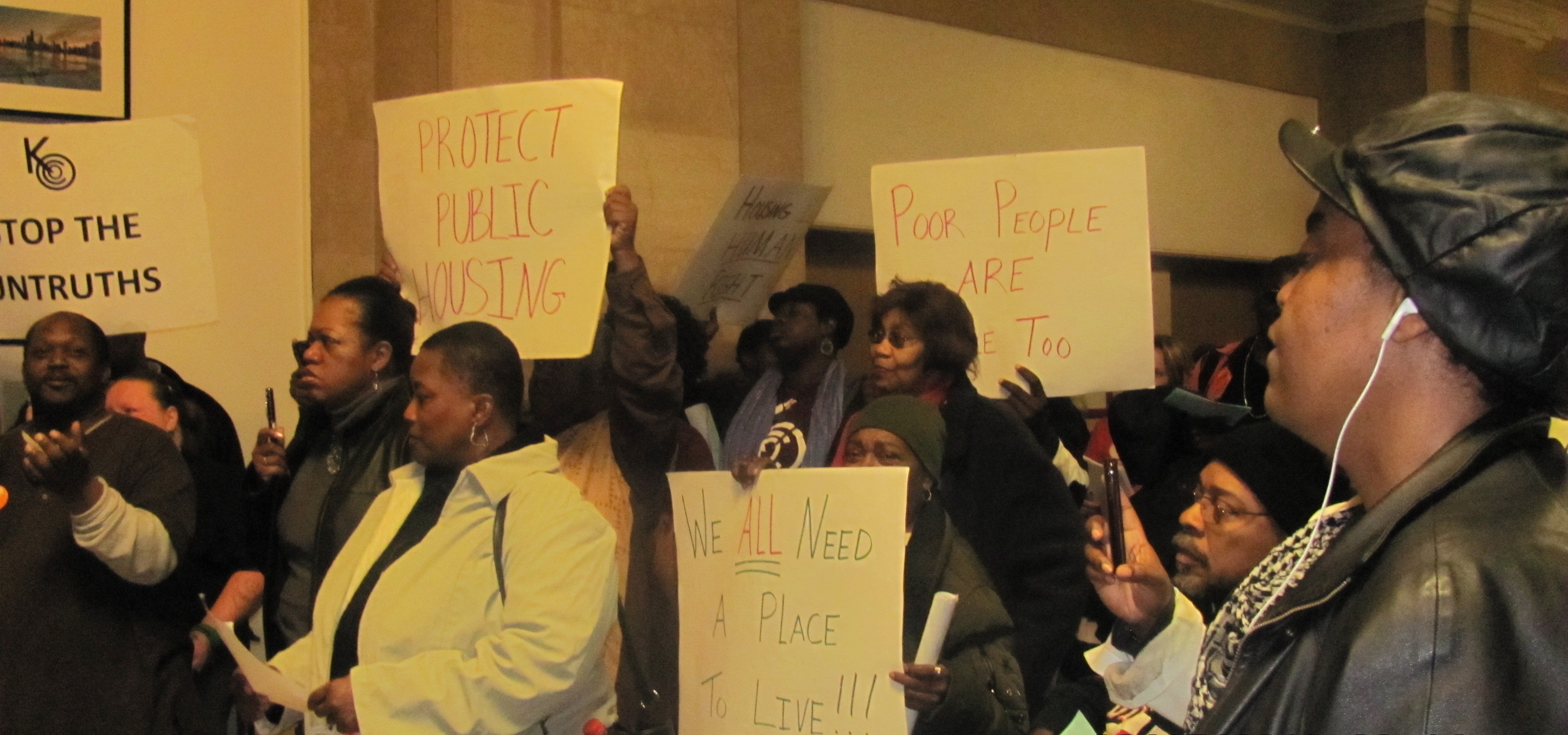
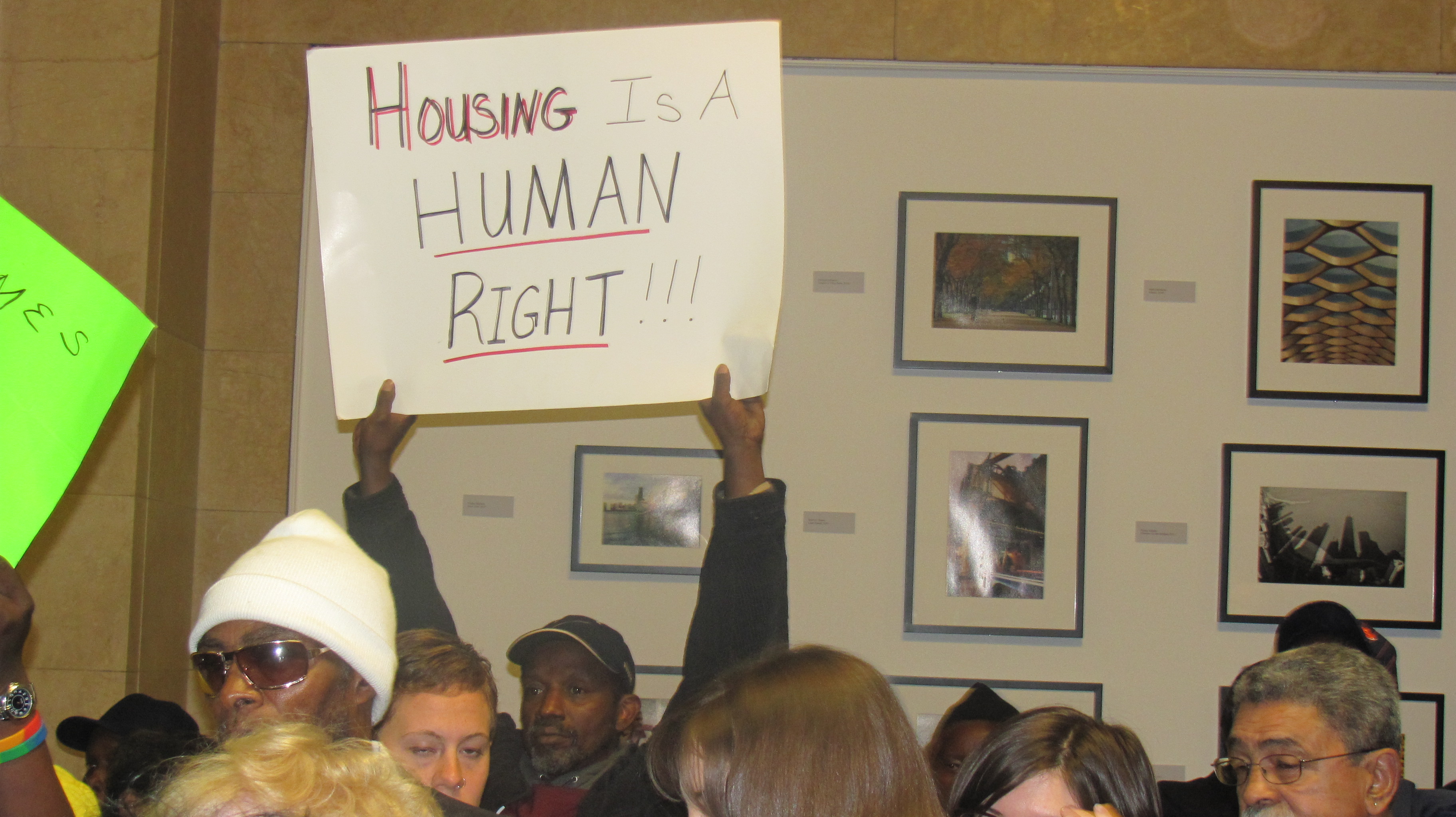
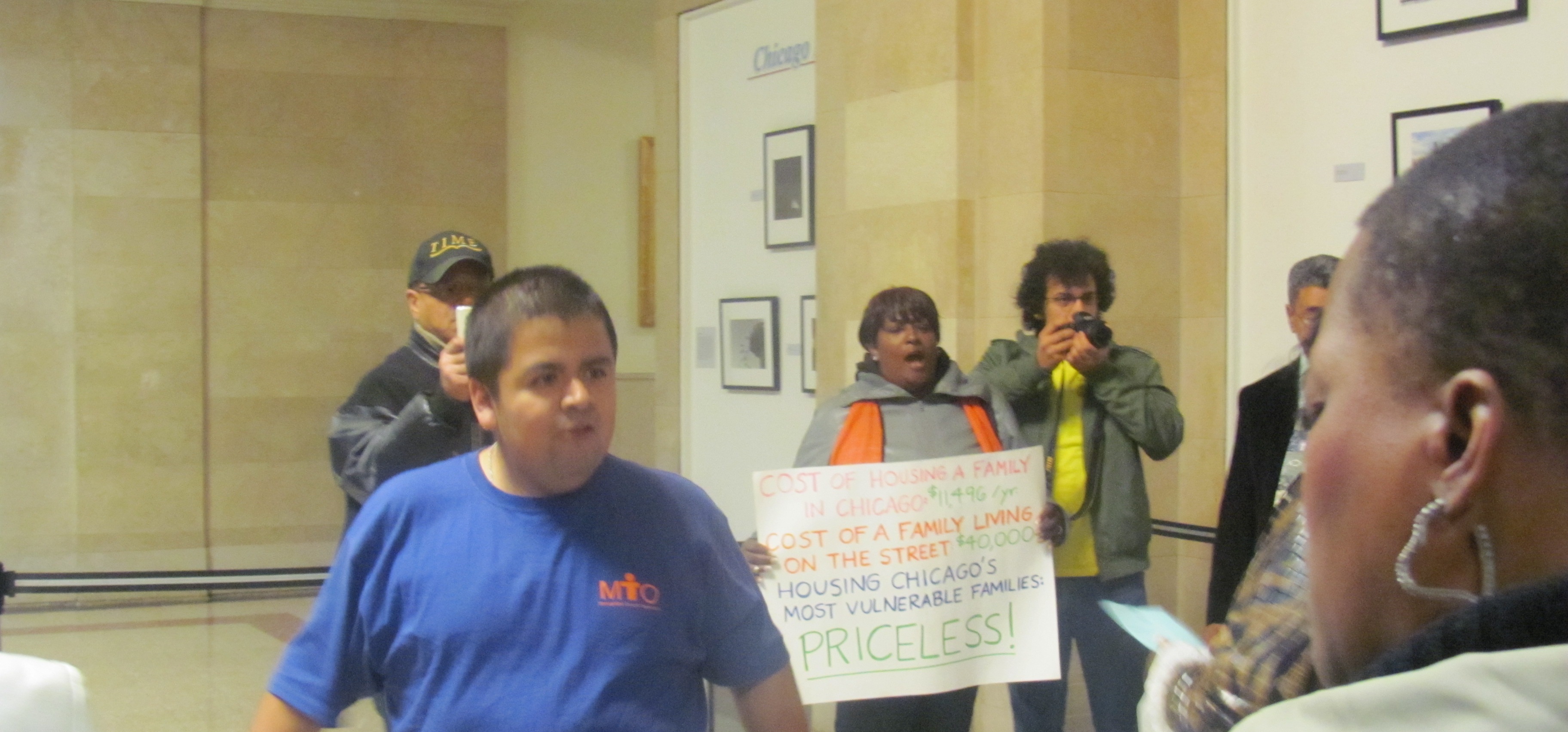
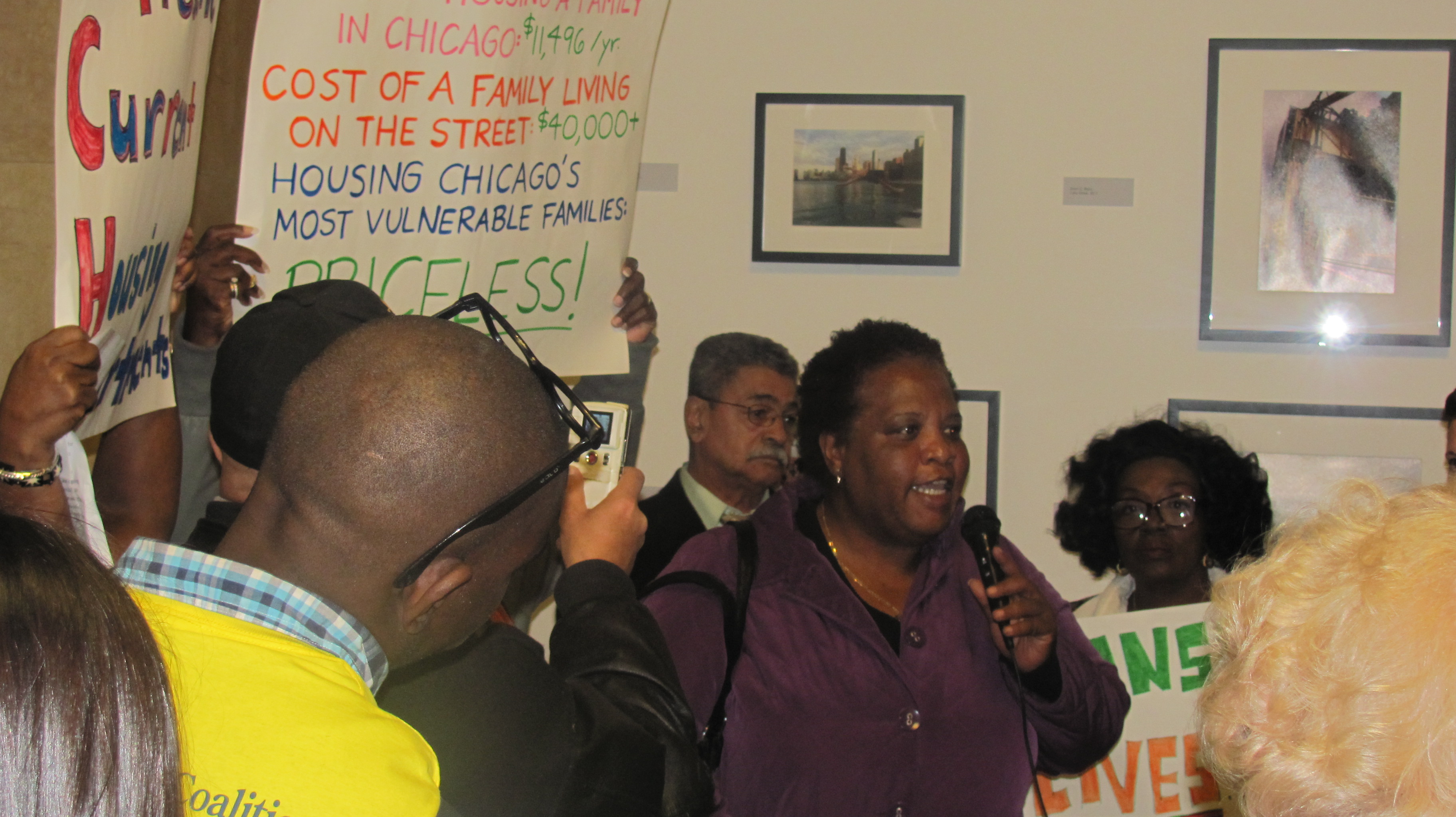
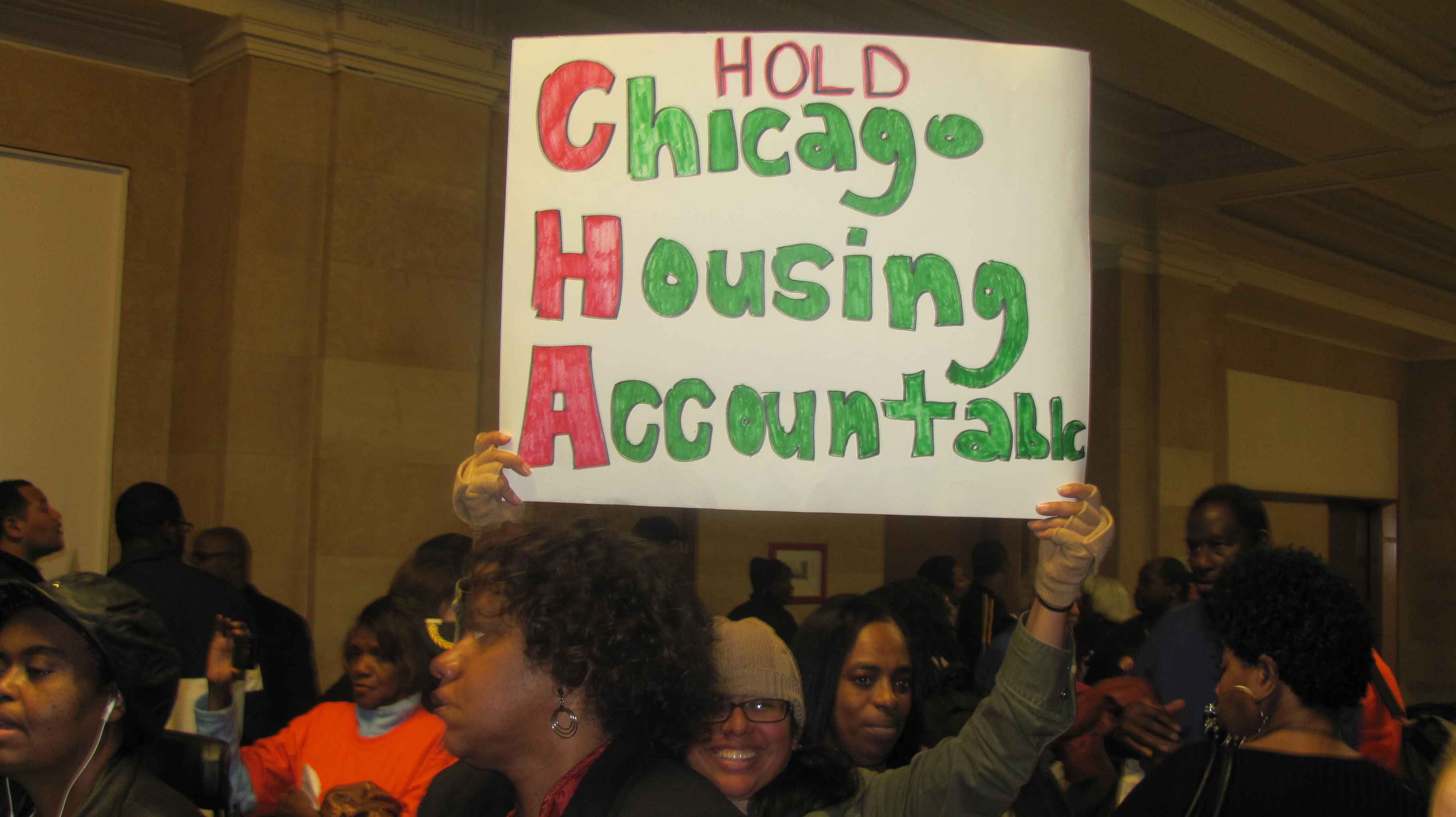
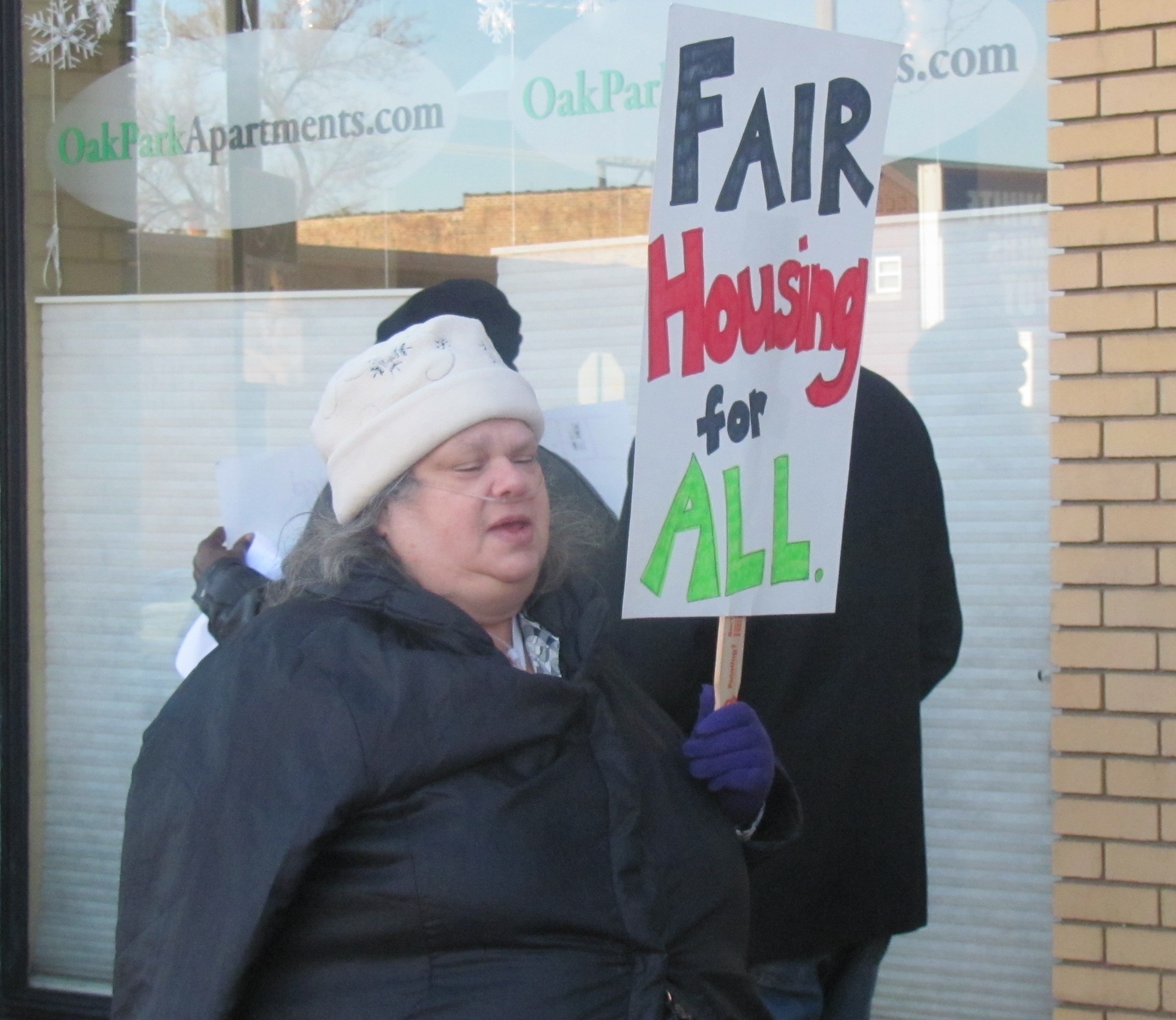
On Friday, October 12th, Chicagoans gathered at City Hall to protest the Chicago Housing Authority’s (CHA) proposed demolition of 1800 public housing units. Metropolitan Tenants Organization’s tenant leaders in conjunction with the Chicago Housing Initiative (CHI) led the charge against the proposed cuts.

“We need these units leased up not knocked down,” said Executive Director of People for Community Recovery and Metropolitan Tenants Organization (MTO) member, Cheryl Johnson. Ms. Johnson who is a resident of Altgeld Gardens, expressed concern about the more than 600 units slated for demolition at Altgeld Gardens. “This is about our future and ability to stay in our community,” said Johnson. “If they knock these units down, what’s to stop CHA from knocking the rest of our community down.”

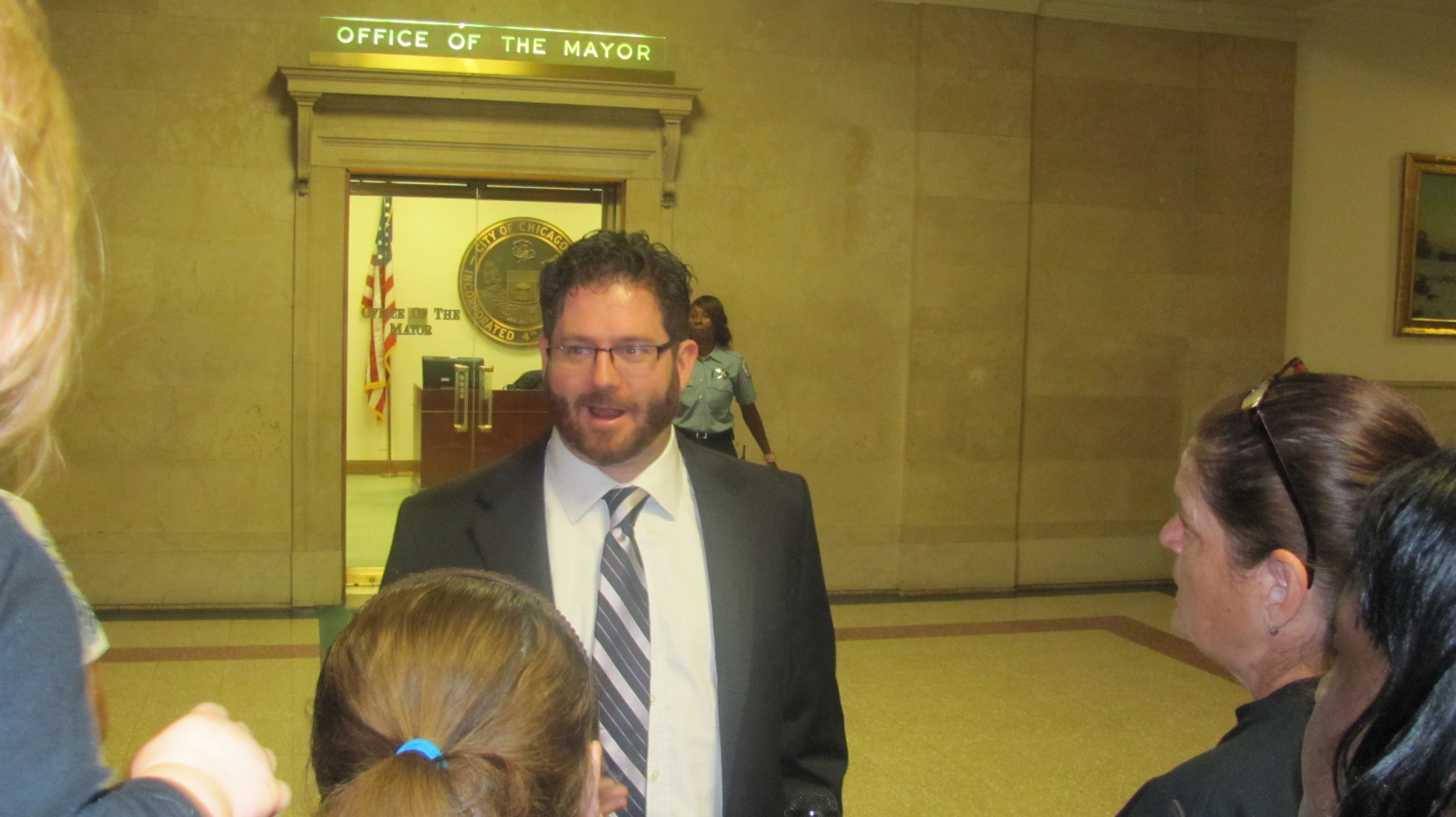
After hearing from the hundreds of tenants outside the Mayor’s office on the 5th floor, staff for Mayor Emanuel’s office agreed to meet with coalition representatives to discuss the proposals for demolition. Organizers are hopeful the Mayor will intervene to stop the demolitions.

“The CHA exists for only one reason and that is to provide affordable housing to low-income residents,” said Leah Levinger, coordinator of the Chicago Housing Initiative. “The CHI coalition will continue to raise public awareness around the issue of leasing these units out,” said Levinger. “We are asking that Mayor Emanuel intervene to set the CHA back on track.”

According to the CHI, over 60,000 people are on CHA’s waiting list. This, in a time when Chicagoan’s incomes are down as much as 10%, and local rental rates have – over the past few years – increased by 14%. MTO supports CHI’s efforts to push CHA to lease out more public housing units and opposes the proposed demolition.

For more information or to get involved in this campaign contact MTO community organizer Noah Moscowitz at 773.292.4980 ext 236 or at noah@tenants-rights.org.

Tenants Lead the Fight Against Discrimination

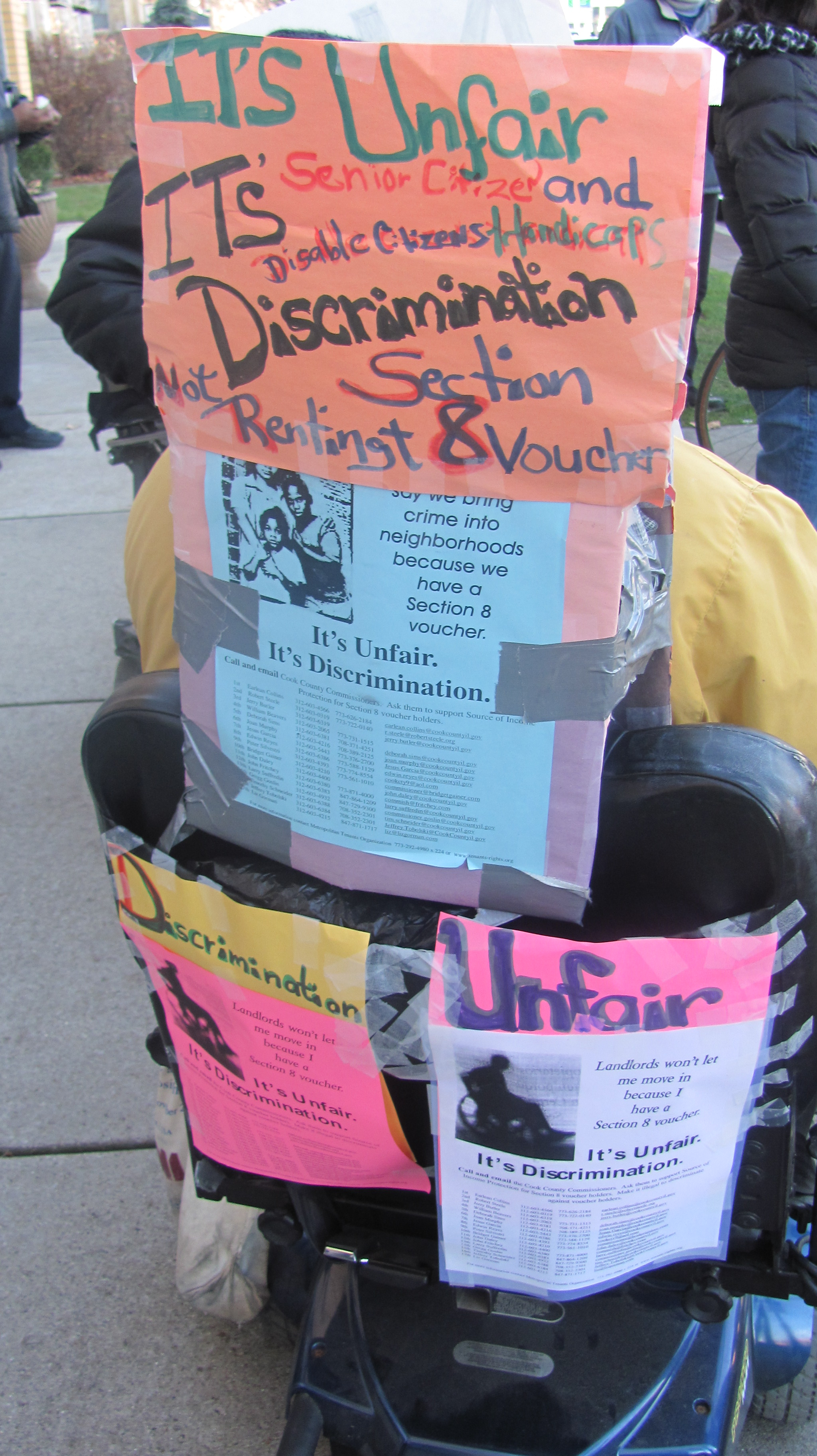
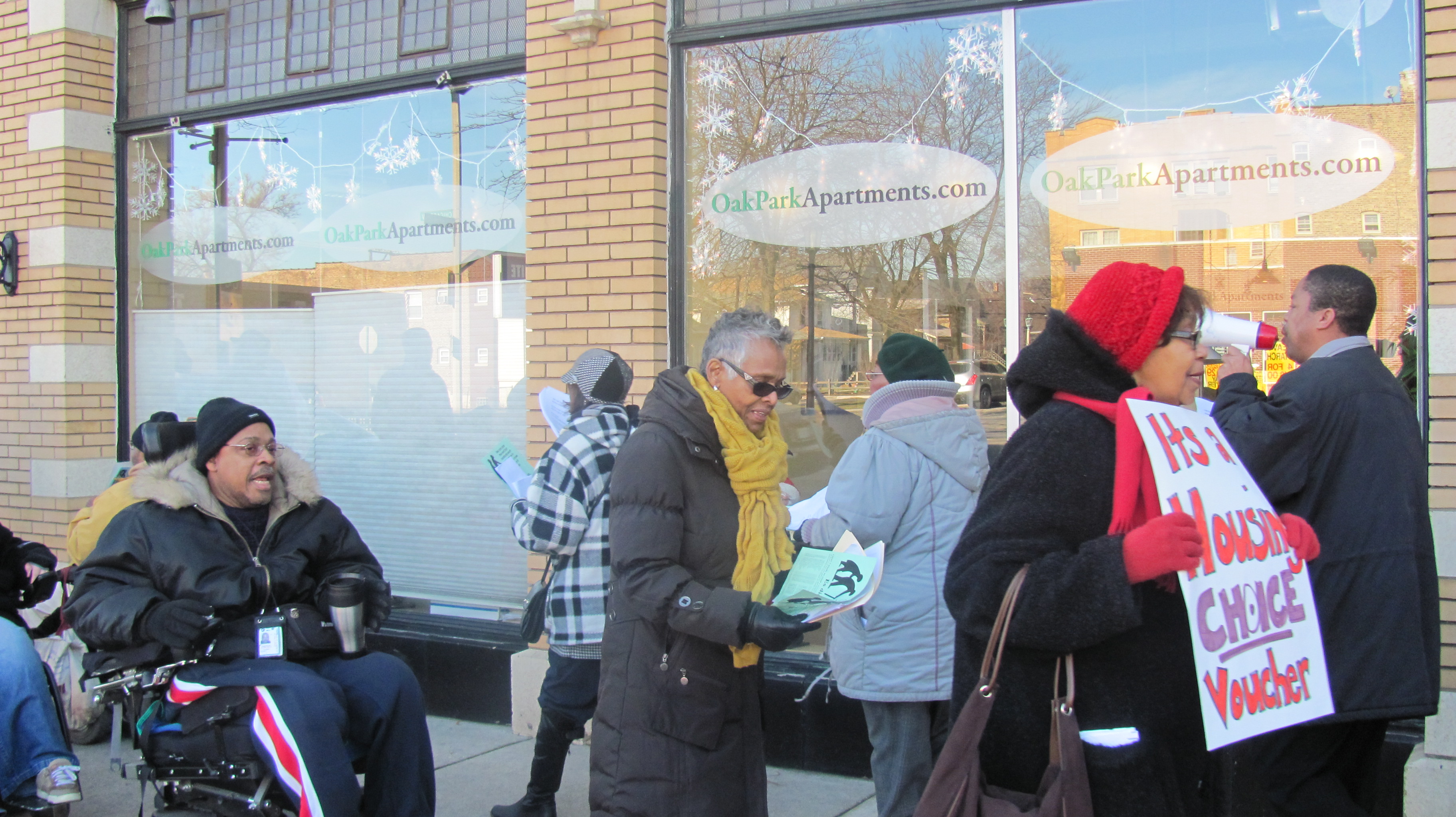
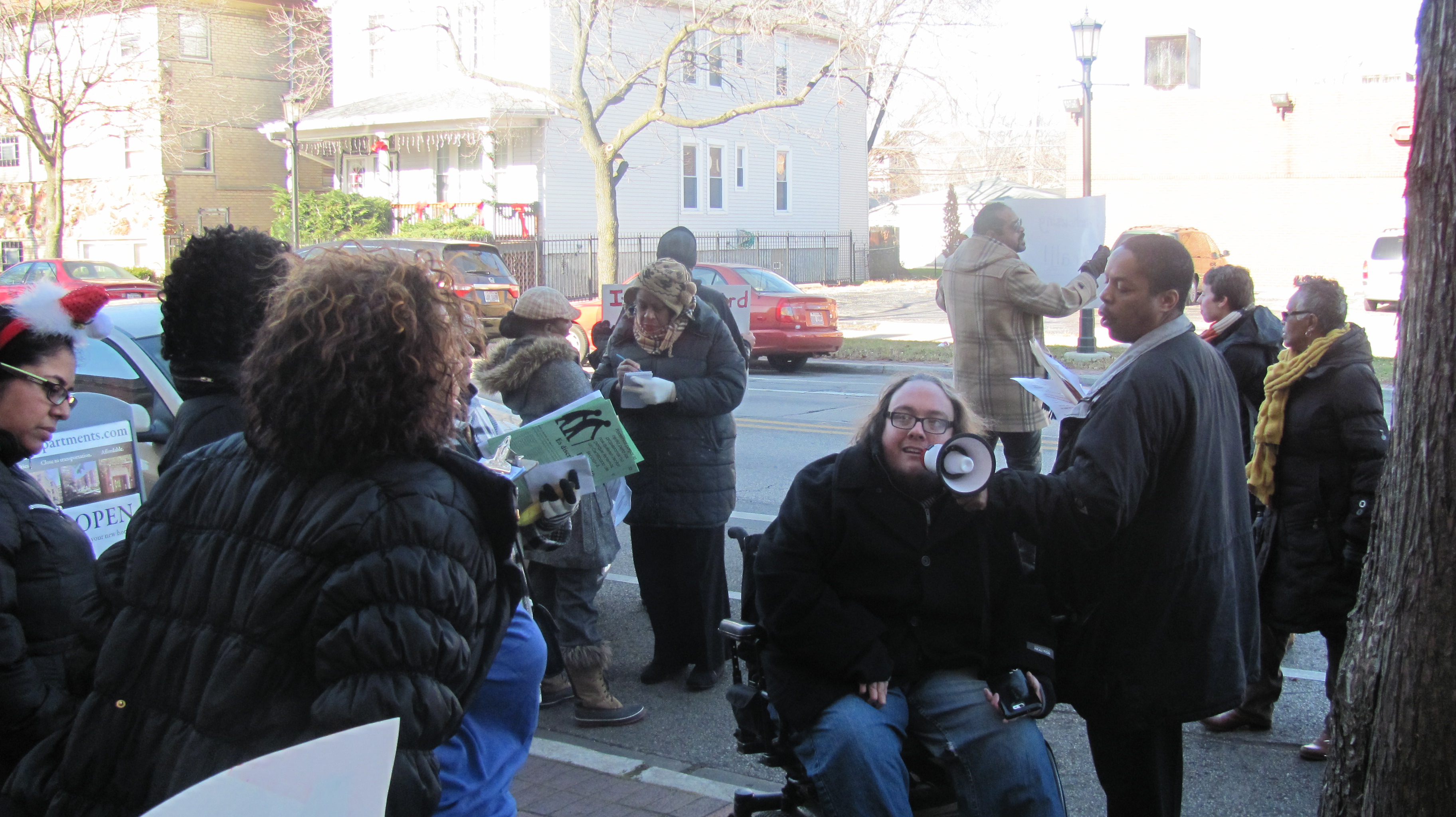
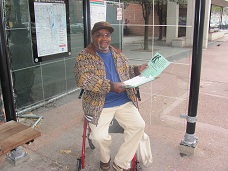
Low-income tenants throughout the city are fighting to end discrimination against voucher holders in suburban Cook County.  One tenant leader, Mr. Green wages an inspiring daily campaign from his wheelchair.  Mr. Green has lived at 1440 S. Indiana for about three years.  Residents of the building turn to Mr. Green to act as a liaison between them and the management.  His commitment to improving the quality of life for the tenants of his building led him to become a member of MTO.  Mr. Green not only works in his building, but also is a regular attendee of the monthly meetings of the Tenants Congress.  This group is leading the Source of Income campaign.

In Chicago, it is against the law to discriminate against Section 8 voucher holders.  However, in the suburbs, no such law applies.  The Source of Income Campaign is fighting to pass a law that will also make it illegal to discriminate against Section 8 voucher holders in suburban Cook County.  Although Mr. Green has no plans of moving out of Chicago any time soon, he has made this campaign his fight.  His advocacy for this campaign stems from his belief that people shouldn’t be allowed to discriminate regardless of your age, gender, abilities or race, or simply because you use a voucher.  His commitment to this campaign has moved him to spend several hours a week by the train station speaking to fellow Chicagoans about this issue and asking them support their suburban neighbors by signing the petition and calling the Cook County Commissioners to support the ordinance.

If you get off at the red line Roosevelt stop, Mr. Green may ask you to sign the petition to stop the discrimination in the suburbs.  Make sure to sign it, and ask Mr. Green how you can become more involved.

Empowered Seniors at 353 E. 53rd Street

In January of 2011, tenants from a senior building at 353 E. 53rd Street called MTO complaining of repair problems in their building.  The hotline counselor suggested building organizing to help address the building problems and shortly after, an MTO organizer contacted the residents to arrange a visit to the building. At the first meeting, MTO conducted a Residential Landlord and Tenants Ordinance (RLTO) workshop.

Problems in the building included poorly hung apartment doors that would sometimes trap residents in their apartments, large gaps around the doors and peepholes that were too high to use.  Together, tenants began organizing by electing acting tenant officers, writing joint letters to management and HUD that notified them of the building conditions, and joining the Metropolitan Tenants Organization as members.

On February 16, tenants met with management.  Tenant leaders expressed their concerns to management, who promptly provided a timeline for some of the needed repairs, including the poorly hung apartment doors.  Management committed to working with the newly formed resident organization to resolve repair issues.

As the month of February concludes, tenants are reporting that work is being completed as promised. The resident organization will continue to meet monthly to advocate for residents’ rights in the building.

When Bed Bugs Attack

Bed bugs have returned, invading our hospitals, hotels, public transportation, and most unsettling of all, our homes. While bed bugs do not transmit disease, bed bugs have proven to be a serious nuisance to homeowners and renters alike, across the nation.

While New York City leads the nation in reported incidents of bed bug infestations, according to an August 2010 report released by Terminix, the Windy City does not find itself far behind – we live in the fifth most bed bug infested city in the U.S. MTO can certainly attest to this, as hotline calls pertaining to bed bugs have increased dramatically in the last two years. In 2010, MTO received 313, usually very frantic, calls with complaints of bed bugs. Two years ago, bed bug calls to MTO’s hotline were nonexistent.

In response to this sudden reemergence of bed bugs in Chicago, MTO has led efforts to create a roundtable of representatives from HUD, EPA, Chicago Department of Public Health, Illinois Department of Public Health, and other invested agencies and community organizations. MTO is actively working with this group on creating a policy proposal for HUD subsidized buildings. Among other recommendations,  MTO has proposed the following to be included in a HUD policy on bed bugs:

-Landlords should disclose any known bed bug infestations within the previous 12 months to prospective renters,

-HUD should support an initiative for an educational campaign on bed bugs and pest control,

-Landlords should hire certified/licensed pest control professionals for both bed bug inspections and treatments,

-Landlords should encourage tenant notification of bed bug sightings by never retaliating against tenants (e.g. imposing fees, threatening eviction, etc),

-and HUD should allocate a long term source of funding to help landlords and renters combat bed bug infestations.

MTO is working on the bed bug issue at the state level as well. Meron Kahssai, an MTO Healthy Homes Organizer, has been appointed to the Illinois Subcommittee on Bed Bugs, a subcommittee of the Illinois Structural Pest Control Advisory Council. MTO will serve on this subcommittee as the voice of renters and will provide the necessary insight on the plight of renters to the other members of the state’s bed bug subcommittee. The goal of this subcommittee is to create a report with recommendations to the IL General Assembly on the prevention, management, and control of bed bugs which include recommendations on an educational campaign, proper transport and disposal of bed bug infested materials, and best practices of treatment and eradication.

Tenants who have dealt with bed bugs are encouraged to join MTO’s bed bug committee. This committee is open to anyone who is interested in serving the need of renters affected by bed bugs by pushing policies for both subsidized and market rate renters. Please contact Meron Kahssai at 773-292-4980 ext. 229, if interested.

Bed bugs will be the topic of discussion at the January 20th Tenant Congress meeting at the Chicago Urban League (4510 S. Michigan). Following a presentation on bed bugs, the floor will be open for a question and answer session. This meeting is open to the public.

State of the Renter in the City of Chicago

The Hotline has served as MTO’s eyes and ears into the lives of renters. Since its inception in 1994, the MTO Hotline has fielded more than 150,000 calls, carefully collecting information and tracking data on housing issues. In collecting this data, Hotline counselors have spent thousands of hours listening to the stories told by Chicago’s renters. The story of renters in Chicago is that they are increasingly facing unpredictability in the rental housing market, financial stress, and deteriorated living conditions. Their lives are and have been in tumult for years.
– John Bartlett, Executive Director of the Metropolitan Tenants Organization

Above is an except from the State of the Renter report issued by MTO in 2009. For too long, the needs of renters – invaluable investors in our communities – have been marginalized in favor of a policy that focuses only on homeownership. Renters have been regarded as transient occupants rather than stakeholders. MTO recommends a national housing policy that balances homeownership and rental housing. Policy makers have failed to recognize the importance of a stable rental housing market and certainly have an insufficient understanding of the issues facing renters.

An executive summary of the State of the Renter report can be found here. For the full report, click here. We always welcome feedback. Please feel free to leave comments or questions in the space provided at the bottom of this page.

Bed Bug Complaints Surge

Bed bug complaints on the Metropolitan Tenants Organization Hotline have gone from none to at least 200 calls a year. WBBM’s John Cody reports.

If you have bed bugs in the Chicagoland area, call the Chicago tenants rights hotline at 773.292.4988. Open M-F from 1-5pm.
Stay tuned for an updated online FAQ on Bed Bugs and what do about them.

Action Alert: Save Renters’ Security Deposits!

*UPDATE* The subcommittee meeting has been rescheduled for Wednesday, June 16th at 10am at City Hall. Meet on the 2nd floor.

*UPDATE* MTO has learned that the subcommittee meeting scheduled for Monday has been canceled. Check back soon for updates.

On Monday, May 24th, at 10am, Alderman Shiller’s newly formed subcommittee will be hearing testimony from landlords and tenants regarding the two amendments that were considered at the Building Committee meeting in April. The subcommittee meeting will be held at City Hall, on the 2nd floor, in room 201A.

The first amendment, proposed by Alderman Stone, would circumvent the current penalties landlords face for not paying security deposit or interest back to the tenant. If this amendment were to pass, landlords would face absolutely NO penalties for violating the all the security deposit laws set forth in the Residential Landlord Tenant Ordinance. Once the landlord has violated their tenants’ rights, then the tenants would be required to remind their landlord that their rights have indeed been violated – in writing, and only then could the tenant even consider pursuing other legal remedies.

The second amendment, proposed by Alderman Shiller, allows landlords who miscalculate interest to be given a second chance to correct the problem before facing legal penalties. This amendment would protect landlords who make innocent mistakes from frivolous lawsuits while simultaneously keeping loopholes closed for bad landlords who intentionally violate their tenants’ right to their own money. MTO is in support of Alderman Shiller’s amendment. Alderman Stone’s amendment does not differentiate between good landlord and bad landlords.

There are more tenants than landlords in the city of Chicago and on May 24th, we want the Alderman on this subcommittee to hear tenant voices. MTO is looking for renters to testify about their rental experiences to this subcommittee. If you want to speak out or have your story told, please contact Loreen Targos at 773.292.4980 x 231 or by email at loreen@tenants-rights.org.

Tenants Get Repairs and Fight Foreclosure

In August of 2008 tenants from a building in Englewood called MTO’s Tenants Rights Hotline complaining about egregious conditions including broken security locks, pest infestations, and lack of essential services, like heat.  MTO immediately sent organizers out to assess the situation.  The Ada-Throop buildings are subsidized by the US Department of Housing and Urban Development (HUD). In addition to confirming the deplorable conditions tenants reported, MTO organizers learned that the building was in foreclosure and that the building’s subsidy was at risk.

The Ada-Throop buildings, in many ways, represent the predicament that the foreclosure crisis has caused in many tenants’ lives.  The tenants in Ada-Throop lived in quickly deteriorating conditions because the owner was either unwilling or unable to attend to the upkeep of the building, let alone pay the mortgage.  Often unresolved repairs are the first sign of a landlord in foreclosure.  Because of unacceptable building conditions, there was fear HUD would eliminate the subsidy of the property, and thus everyone would have to move.

Foreclosures also put into question the person ‘in charge’ during the court process.  The courts, the banks, or the old owner often do not want to invest the needed resources in foreclosure buildings.

Fortunately, the tenants worked together with MTO to take back control over their living conditions.  The tenants association secured the assistance of the City of Chicago’s Troubled Building Initiative and a court appointed receiver took over management of the buildings.  Working with the court appointed management company, tenants continued to organize, heat was restored in the building and conditions were improved.

Thanks to the efforts of the Metropolitan Tenants Organization working in conjunction with the Shriver Center, the Community Investment Corporations (CIC) and HUD, these buildings and their affordable housing subsidizes were all preserved.  Today, there remain problems and obstacles to overcome in the building. But since the tenants have organized, conditions have improved and new owners will soon be ready to take over the buildings. These new owners are currently looking into securing loans to do rehabilitation work on these affordable subsidized buildings.

Summary Prepared by Robert Clack