BE IT ORDAINED BY THE CITY COUNCIL OF THE CITY OF CHICAGO:
SECTION 1.
Section 2-112-160 of the Municipal Code of Chicago is hereby amended by inserting the language underscored and deleting the language struck through, as follows:
2-112-160 Commissioner – Enforcement powers and duties. The commissioner of health shall have the following powers and duties:
(a) Public health related powers and duties:
(1) To enforce all the laws of the state and provisions of this Code in relation to matters pertaining to the public health and sanitary conditions of the city;
(2) To enforce all regulations of the board of health or any other federal, state or local authority with power to make regulations concerning the public health;
(3) To cause all nuisances affecting the health of the public to be abated with all reasonable promptness;
(4) To determine when a disease is communicable or epidemic, and establish quarantine regulations whenever it is deemed necessary
(5) To enforce section 4-4-332. Article VIII of chapter 7-28 and all other code provisions applicable to bed bugs. (Omitted text is unaffected by this ordinance)
SECTION 2.
Chapter 4-4 of the Municipal Code of Chicago is hereby amended by adding a new Section 4-4-332, as follows:
4-4-332 Bed bugs.
(a) It is the responsibility of every licensee under this title 4 to provide pest control services when an infestation of bed bugs is found or suspected on any licensed premises. Everv licensee shall maintain a written record of the pest control measures performed by the pest management professional and shall include reports and receipts prepared bv the pest management professional relating to those measures taken. The record shall be maintained for three years and shall be open to inspection by the departments of health, buildings, and business affairs and consumer protection.
(b) It shall be unlawful for any licensee under this title 4 which provides sleeping accommodations for hire or rent for transient occupancy by guests to rent, hire, or otherwise provide, any such sleeping accommodation in which an infestation of any bed bugs is found or suspected, unless an inspection by the pest management professional has determined that no evidence of bed bugs can be found and verified.
(c) For purposes of this section, the following definitions apply: “Pest management professional” has the same meaning ascribed to that term in section 7-28-810.
“Transient occupancy” means any occupancy on a daily or nightly basis, or any 1 part thereof, for 30 or fewer consecutive days.
SECTION 3.
Chapter 5-12 of the Municipal Code of Chicago is hereby amended by adding a new Section 5-12-101, and by adding the language underscored, as follows:
5-12-040 Tenant responsibilities. Every tenant must: (a) Comply with all obligations imposed specifically upon tenants by provisions of the municipal code applicable to dwelling units, including section 7-28-850: (Omitted text is unaffected by this ordinance)
5-12-101 Bed bugs – Education. For any rental agreement for a dwelling unit entered into or renewed after the effective date of this 2013 amendatory ordinance, prior to entering into or renewing such agreement, the landlord or any person authorized to enter into such agreement on his behalf shall provide to such tenant the informational brochure on bed bug prevention and treatment prepared by the department of health pursuant to section 7-28-860.
SECTION 4.
Chapter 7-28 of the Municipal Code of Chicago is hereby amended by adding a new section 7-28-370, as follows:
7-28-370 Disposal of furnishings, bedding, clothing or other materials infested with bed bugs.
(a) No person shall place, discard or dispose of any bedding, clothing or other materials infested with bed bugs on the public way or in a refuse container or dumpster located on the public way, except when such bedding, clothing or other material is placed in or near the person’s refuse container or dumpster for pick-up as trash and the bedding, clothing or other material is totally enclosed in a plastic bag and labeled as being infested with bed bugs.
(b) No furnishing, bedding, clothing or other material infested with bed bugs shall be recycled.
(c) For purposes of this section, “bedding” has the same meaning ascribed to that term in section 7-28-810.
SECTION 5.
Chapter 7-28 of the Municipal Code of Chicago is hereby amended by adding a new Article VIII Bed Bugs, Sections 7-28-810 through 7-28-900, as follows:
Article VIII Bed Bugs.
7-28-810 Definitions. As used in this article, the following terms are defined as follows:
“Bedding” means any mattress, box spring, foundation, or studio couch made in whole or part from new or secondhand fabric, filling material, or other textile product or material and which can be used for sleeping or reclining purposes. “Commissioner” means the commissioner of public health.
“Dwelling unit,” “landlord,” “rent” and “tenant” have the meaning ascribed to those terms in Section 5-12-030.
“Multiple rental unit building” means a building which contains hwo or more rental units. A “multiple rental unit building” does not include a condominium or cooperative building.
“Pest Management Professional” means a person who:
(i) is licensed, registered or certified by the State of Illinois to perform pest control services pursuant to the Structural Pest Control Act. 235 ILCS 235:
(ii) has attended courses or undergone training for the proper method for the extermination of bed bugs; and
(iii) follows National Pest Management Association Best Practices for the extermination of bed bugs.
“Rental unit” means any dwelling unit which is not owner occupied and is held out for rent to tenants, including any single family home held out for rent to tenants.
7-28-820 Bed bugs-Nuisance. Bed bugs are hereby declared to be a public nuisance subiect to the abatement provisions of this chapter.
7-28-830 Bed bug infestation-duty to exterminate.
(a) In any rental unit in which an infestation of bed bugs is found or reasonably suspected, it is the responsibility of the landlord to: (1) provide pest control services by a pest management professional until such time that no evidence of bed bugs can be found and verified: and (2) maintain a written record of the pest control measures performed by the pest management professional on the rental unit. The record shall include reports and receipts prepared by the pest management professional. The record shall be maintained for three years and shall be open to inspection by authorized city personnel, including but not limited to employees of the departments of health and buildings.
(b) In any multiple rental unit building in which an infestation of bed bugs is found or reasonably suspected, it is the responsibility of the landlord to: 1) provide pest control services by a pest management professional until such time that no evidence of bed bugs can be found and verified within the building or portion thereof including the individual rental units; and (2) maintain a written record of the pest control measures performed by pest management professional on the building. The record shall include reports and receipts prepared bv the pest management professional. The record shall be maintained for three years and shall be open to inspection by authorized city personnel, including but not limited to employees of the departments of health and buildings.
(c) A landlord shall provide the pest control services within 10 days after: (1) a bed bug is found or reasonably suspected anywhere on the premises; or (2) being notified In writing by a tenant of a known or reasonably suspected bed bug infestation on the premises or in the tenant’s rental unit.
(d) The extermination of bed bugs shall be by:
(1) inspection, and if necessary, the treatment of the dwelling unit on either side of the affected dwelling unit and the unit directly above and below the affected dwelling unit. This pattern of inspection and treatment shall be continued until no further infestation is detected; or
(2) any other method approved by the commissioner in rules and regulations.
(e) A landlord may not knowingly terminate a tenancy, increase rent, decrease services, bring or threaten to bring a lawsuit against a tenant for possession or refuse to renew a lease or tenancy because the tenant has in good faith:
(1) complained of a bed bug infestation within the tenant’s rental unit or the premises in which the tenant’s rental unit is located to a competent governmental agency, elected representative or public official charged with responsibility for enforcement of a building, housing, health or similar code;
(2) complained of a bed bug infestation within the tenant’s rental unit or the premises in which the tenant’s rental unit is located to a community organization or the news media:
(3) sought the assistance of a community organization or the news media to remedy a bed bug infestation within the tenant’s rental unit or the premises in which the tenant’s rental unit is located;
(4) requested the landlord to provide pest control measures for a bed bug infestation as required by a building code, health ordinance, other regulation, or the residential rental agreement: or
(5) testified in any court or administrative proceeding concerning any bed bug infestation within the tenant’s rental unit or the premises in which the tenant’s rental unit is located.
If the landlord acts in violation of this subsection (e), the tenant has a defense in any retaliatory action against him for possession and is entitled to recover possession of the rental unit or terminate the rental agreement and, in either case, may recover an amount equal to two months rent or the damages sustained by him, whichever is greater, and reasonable attorneys’ fees. If the rental agreement is terminated, the landlord shall return all security and interest recoverable under Section 5-12-080 and all prepaid rent. In an action by or against the tenant, if there is evidence of tenant conduct protected herein within one year prior to the alleged act of retaliation, that evidence shall create a rebuttable presumption that the landlord’s conduct was retaliatory. The presumption shall not arise if the protected tenant activity was Initiated after the alleged act of retaliation.
7-28-840 Condominium and cooperative buildings-plan for treatment of bed bugs.
(a) No later than 90 days after the effective date of this section, the governing association of a condominium or cooperative building shall prepare a pest management plan for the detection, inspection and treatment of bed bugs in the building. The plan shall include the provisions of section 7-28-830(c).
(b) The governing association shall maintain written records of anv pest control measures in the building performed by a pest management professional retained by the governing association and any report prepared by the pest management professional. The plan and records shall be: (1) maintained either on-site in the building or at the property management office: (2) maintained for three years: and (3) open to inspection upon request by authorized city personnel, including but not limited to employees of the departments of health and buildings.
(c) Every owner of condominium unit or a lessee with a proprietary lease in a cooperative shall immediately notify, in writing, the governing association of any known or reasonably suspected bed bug infestation in the presence of the unit or cooperative, clothing, furniture or other personal property located in the unit or cooperative, and cooperate with the governing association in the control, treatment and eradication of bed bug infestation found or suspected to be in the unit or cooperative.
(d) For purposes of this section the following definitions apply:
“Condominium unit” or “unit” has the meaning ascribed to that term in section 13-72-010.
“Cooperative building” means a building or buildings and the tract, lot, or parcel on which the building or buildings are located and fee title to the land and building or buildings is owned by a corporation or other legal entity in which the shareholders or other co-owners each also have a long-term proprietary lease or other long-term arrangement of exclusive possession for a specific unit of occupancy space located within the same building or buildings.
“Cooperative” is an individual dwelling unit within a cooperative building.
“Governing association” means the board of managers of a condominium homeowners’ association or the board of directors of a cooperative building.
(e) The commissioner shall prepare and post on the health department’s publicly accessible website a sample plan for the detection, inspection and treatment of bed bugs for the governing association of condominium or cooperative building. The sample plan shall set forth the best practices for the detection and treatment of bed bugs in such buildings.
7-28-850 Tenant Responsibility.
(a) Within 5 days after a tenant finds or reasonably suspects a bed bug infestation in the presence of the tenant’s dwelling unit, the tenant shall notify, in writing, the landlord of any known or reasonably suspected bed bug infestation in the presence of the tenant’s dwelling unit, clothing, furniture or other personal property located in the building, or of any recurring or unexplained bites, stings, irritation, or sores of the skin or body which the tenant reasonably suspects Is caused by bed bugs.
(b) The tenant shall cooperate with the landlord in the control, treatment and eradication of bed bug infestation found or reasonably suspected to be. in the tenant’s rental unit. As part of that cooperation, the tenant shall:
(1) not interfere with inspections or treatments:
(2) after reasonable notice in writing to the tenant, grant access at reasonable times to the tenant’s rental unit for purposes of bed bug infestation inspection or treatment:
(3) make any necessary preparations, such as cleaning, dusting or vacuuming, prior to treatment in accordance with any pest management professional’s recommendations: and
(4) dispose of any personal property that a pest management professional has determined cannot be treated or cleaned before the treatment of the tenant’s dwelling unit.
(5) prior to removing any personal property from the tenant’s dwelling unit, safely enclose in a plastic bag any such personal property while it is being moved through any common area of the building, or stored at any other location. The personal property shall remained enclosed in a plastic bag until such time that the property is either properly disposed of or treated and no evidence of beg bug infestation can be found and verified.
(c) Prior to inspection or treatment for bed bug infestation, the landlord shall send a written notice to the tenant of the rental unit being inspected or treated, which advises the tenant of the tenant’s responsibilities under this section and sets forth the specific preparations required by the tenant.
(d) This section shall not apply to any tenant of an assisted living or shared housing establishment, or similar living arrangement, when the establishment is required to provide the tenant assistance with activities of daily living or mandatory services. In such cases, the landlord will be responsible to make the necessary preparations, such as cleaning, dusting or vacuuming, of the tenant’s rental unit prior to treatment in accordance with any pest management professional’s recommendations. For purposes of this subsection, the terms “assistance with activities of daily living,” “assisted living establishment.” “mandatory services” and “shared housing establishment” have the meaning ascribed to those terms in the Illinois Assisted Living and Shared Housing Act. 210 ILCS 9/10.
7-28-860 Sale of secondhand bedding.
(a) For purposes of this section, the following definitions apply:
“Act” means the Illinois Safe and Hygienic Bed Act. 410 ILCS 68/1.
“Bedding.” “manufacturer.” “renovator.” “rebuilder.” “repairer.” “sanitizer.” and “secondhand material” have the meaning ascribed to those terms in section 410 ILCS 68/5 of the Act.
“Secondhand bedding” means bedding that is made in whole or part from secondhand material or that has been previously used or owned.
(b) Every manufacturer, renovator, rebuilder. repairer and sanitizer of bedding whose product is sold in the citv shall comply with the Act.
(c) Every person who sells at retail any secondhand bedding shall post in a conspicuous location nearby the secondhand bedding a written notice in English. Spanish. Polish and Chinese that the bedding is made in whole or part from secondhand material or was previously owned or used.
(d) Every person who sells at retail any secondhand bedding shall provide to the purchaser of such secondhand bedding a written notice in English, Spanish, Polish and Chinese that the bedding is made in whole or part from secondhand material or has been previously owned or used.
(e) Every person who sells at retail any new or secondhand bedding shall inspect all material for soiling, malodor, and pest infestation, including bed bugs, prior to use, sale or distribution of the bedding. If any material in the bedding appears to be soiled, malodorous or infested with pests, the person shall not use, sell or distribute such bedding. If the bedding is infested with bed bugs, the person shall dispose of such bedding and material in an enclosed Plastic bag and labeled as being infested with bed bugs.
7-28-870 Public information. The commissioner shall prepare and post on the health department’s publicly available website:
(a) a brochure containing, at a minimum, the following:
(1) a statement that the presence of bed bugs in any building or dwelling unit is a public nuisance:
(2) information on how to detect the presence of bed bugs;
(3) information on how to prevent the spread of bed bugs within and between buildings:
(4) a statement that tenants shall contact their landlord as soon as practicable if they suspect they have bed bugs in their dwelling unit; and
(5) contact information as to where people can obtain more information: and (b) information relating to licensing, registration or certification by the State of Illinois to perform pest control services.
7-28-880 Rules. The commissioner of health and the commissioner of buildings shall have joint authority to promulgate rules and regulations necessary to implement this article.
7-28-890 Enforcement.
(a) Inspectors from the departments of buildings and health shall have authority to inspect the interior and exterior of buildings, other structures, or parcels on which a building is located for bed bug infestation and when any evidence is found indicating the presence of bed bugs at that site and to report such evidence to the appropriate commissioner.
(b) This article may be enforced by the departments of public health or buildings. In addition, the department of business affairs and consumer protection shall have the authority to enforce section 7-28-860.
7-28-900 Violation-penalties Any person who violates this article shall be fined not less than $300 nor more than $500 for the first violation, not less than $500 nor more than $1.000 for the second violation within twelve-months of the first violation, and (3) not less than $1.000 nor more than $2.000 for the third or subsequent violation within such twelve-month period. Each dav that a violation continues shall constitute a separate and distinct offense to which a separate fine shall applv.
SECTION 6.
This ordinance takes effect 180 days after its passage and approval.


 Reload document
  Open in new tab
  Today is International Women’s Day. On this day, women all across the world receive praises that go unsaid the rest of the year. It’s also a day for women like myself to reflect on what it means to be a woman, and how to stand better in solidarity with other women. Lately, I’ve been thinking about all the women that I’ve met throughout the years as a Healthy Homes Organizer and the struggles they’ve had to face. The story of Ms. May sticks out in my mind.
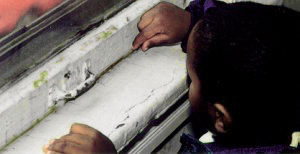
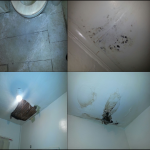 bout how to prevent lead poisoning. When I arrived at the home, it immediately became clear that the situation was much worse than I had initially thought. There was ice on the staircase and a broken faucet, which had gone unchecked for nearly a week. That resulted in a giant ice rink near the house – a clear and present danger to Ms May. Inside the house, there was mold on the kitchen and bathroom walls and holes in the foundation. There were rat droppings from an infestation that had been inappropriately handled by her landlord, with serious consequences.
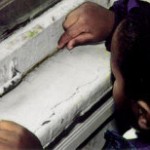 had brought an unqualified person who ended up leaving a bag of rat poison pellets on top of the dining table. Her three-year-old daughter confused the brightly colored pellets for cereal and ended up ingesting some. Fortunately, the quick actions by Ms May resulted in a full recovery for her little girl.
  he burden of so many other Chicago women like Ms May? You can begin to stand in solidarity by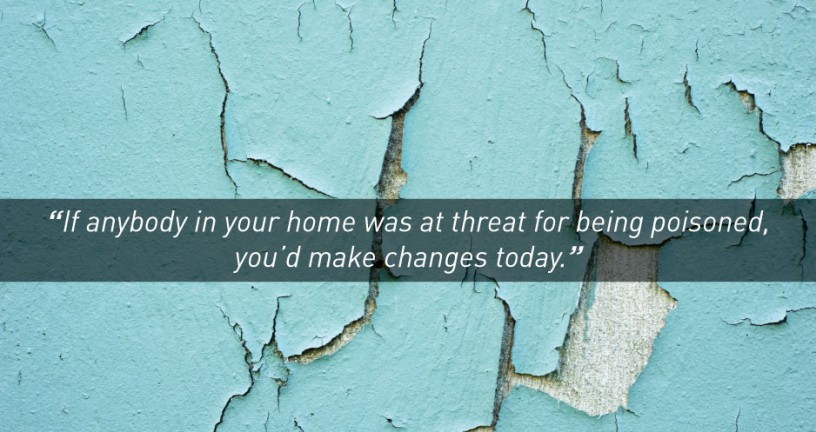
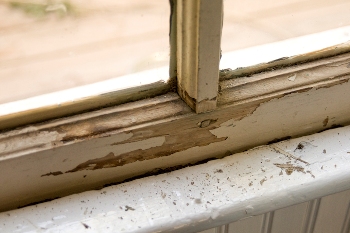
 “Oftentimes landlords, instead of wanting to get rid of the lead, want to get rid of the tenant,” he continued. That’s a particular problem in private housing, where the protections against wrongful evictions are weaker. Some cities and states have instituted proactive rental inspection programs, which require housing to be checked at regular intervals, rather than waiting for a resident to make a complaint. That not only means that lead hazards are hopefully abated before poisoning becomes an issue, but that tenants who might fear taking action against landlords don’t have to shoulder the burden.